Conditions
Modern care for every urological condition
From the most common to the most specialized urological conditions, comprehensive diagnosis, personalized therapeutic approach, and modern medical care are provided, with the needs of each patient in mind.
Bladder Conditions
Diagnosis and management of bladder conditions
The bladder is a key organ of the urinary system and can develop inflammatory, functional, or oncological conditions. Timely evaluation of symptoms and accurate diagnosis are crucial for effective management and maintaining normal bladder function.
Bladder Papillomas (Superficial Cancer)
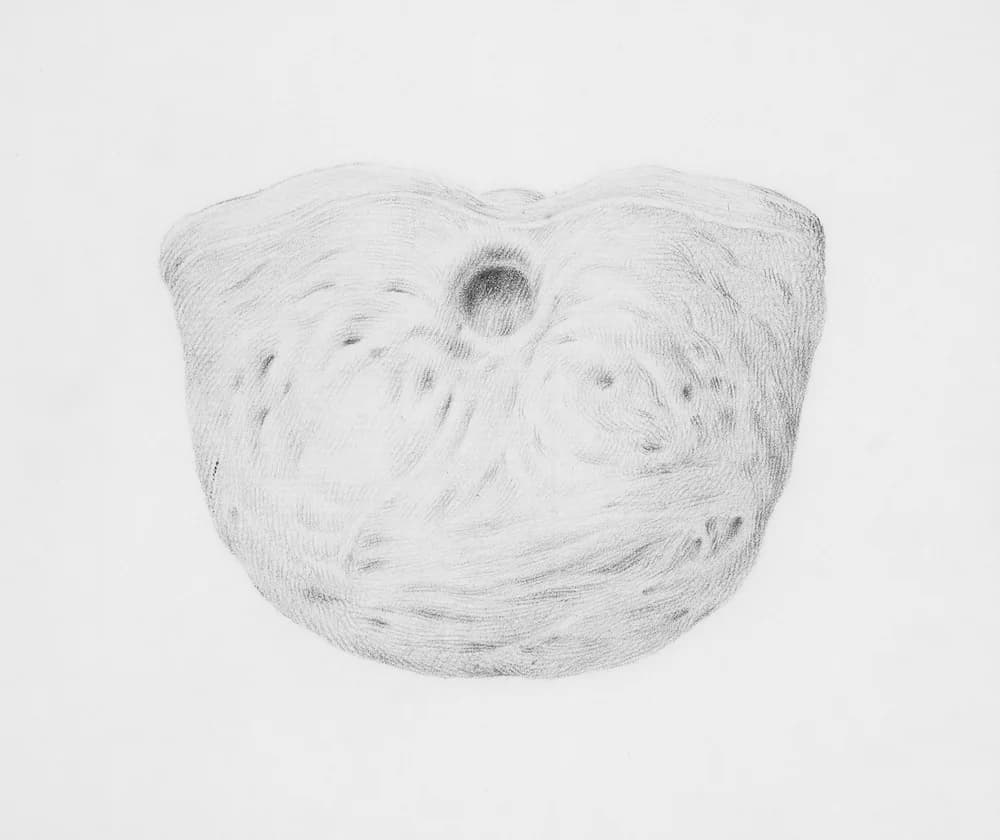
Bladder papillomas are the most common form of superficial bladder cancer. In most cases, they are diagnosed early and treated effectively, but require systematic follow-up.
Symptoms
The most common symptom is painless hematuria. Frequent urination, urgent urination, or mild discomfort during urination may also occur, without always having severe symptoms.
Diagnosis
Diagnosis is based on cystoscopy, imaging studies, and histological examination of the removed tissue to determine the type and grade of the lesion.
Treatment
Treatment usually involves transurethral resection of the papilloma, while in some cases intravesical therapies and regular cystoscopic follow-up are required.
The appropriate treatment is always determined after a personalized urological assessment and a complete diagnostic evaluation.
Invasive Bladder Cancer
Invasive bladder cancer is a more advanced form of the disease, in which the tumor extends deeper into the bladder wall and requires specialized therapeutic management.
Symptoms
Hematuria is the most common symptom, while pain during urination, frequent urination, pelvic pain, or other symptoms may coexist depending on the extent of the disease.
Diagnosis
Diagnosis is made through cystoscopy, biopsy, CT or MRI scans, and other staging tests to assess the spread of the disease.
Treatment
Treatment is individualized and may include surgery, chemotherapy, immunotherapy, radiotherapy, or a combination of these, depending on the stage and characteristics of the tumor.
The appropriate treatment is always determined after a personalized urological assessment and a complete diagnostic evaluation.
Cystitis
Cystitis is an inflammation of the bladder, usually of bacterial origin, and is one of the most common urological conditions, especially in women.
Symptoms
It is characterized by frequent urination, urgent need to urinate, burning during urination, lower abdominal pain, and in some cases, the presence of blood in the urine.
Diagnosis
Diagnosis is based on medical history, physical examination, and urine culture, while further urological evaluation may be required in recurrent or complex cases.
Treatment
Treatment includes antibiotic therapy for bacterial infection, adequate hydration, and addressing factors that promote the occurrence or recurrence of the disease.
The appropriate treatment is always determined after a personalized urological assessment and a complete diagnostic evaluation.
Cystocele
Cystocele occurs when the bladder protrudes into the vagina due to weakening of the pelvic support tissues. It is a common condition in women, especially after childbirth or with aging.
Symptoms
It can cause a feeling of heaviness in the pelvis, difficulty urinating, frequent urinary tract infections, urinary incontinence, or a feeling of incomplete bladder emptying.
Diagnosis
Diagnosis is made through gynecological and urological clinical examination and, when necessary, supplemented with imaging or urodynamic evaluation.
Treatment
Management depends on the severity of the symptoms and may include pelvic floor exercises, conservative methods, or surgical repair to restore normal anatomy.
The appropriate treatment is always determined after a personalized urological assessment and a complete diagnostic evaluation.
Contact
Contact us for information or to schedule an appointment
We are available to answer your questions and guide you promptly in scheduling your visit.