Conditions
Modern care for every urological condition
From the most common to the most specialized urological conditions, comprehensive diagnosis, personalized therapeutic approach, and modern medical care are provided, with the needs of each patient in mind.
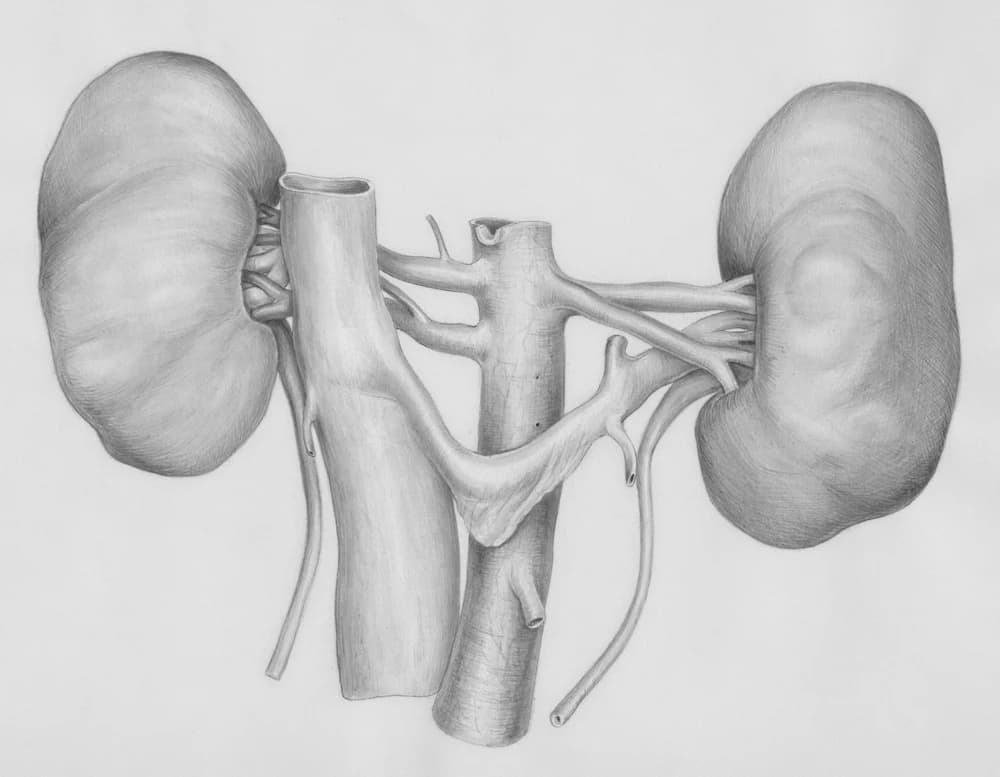
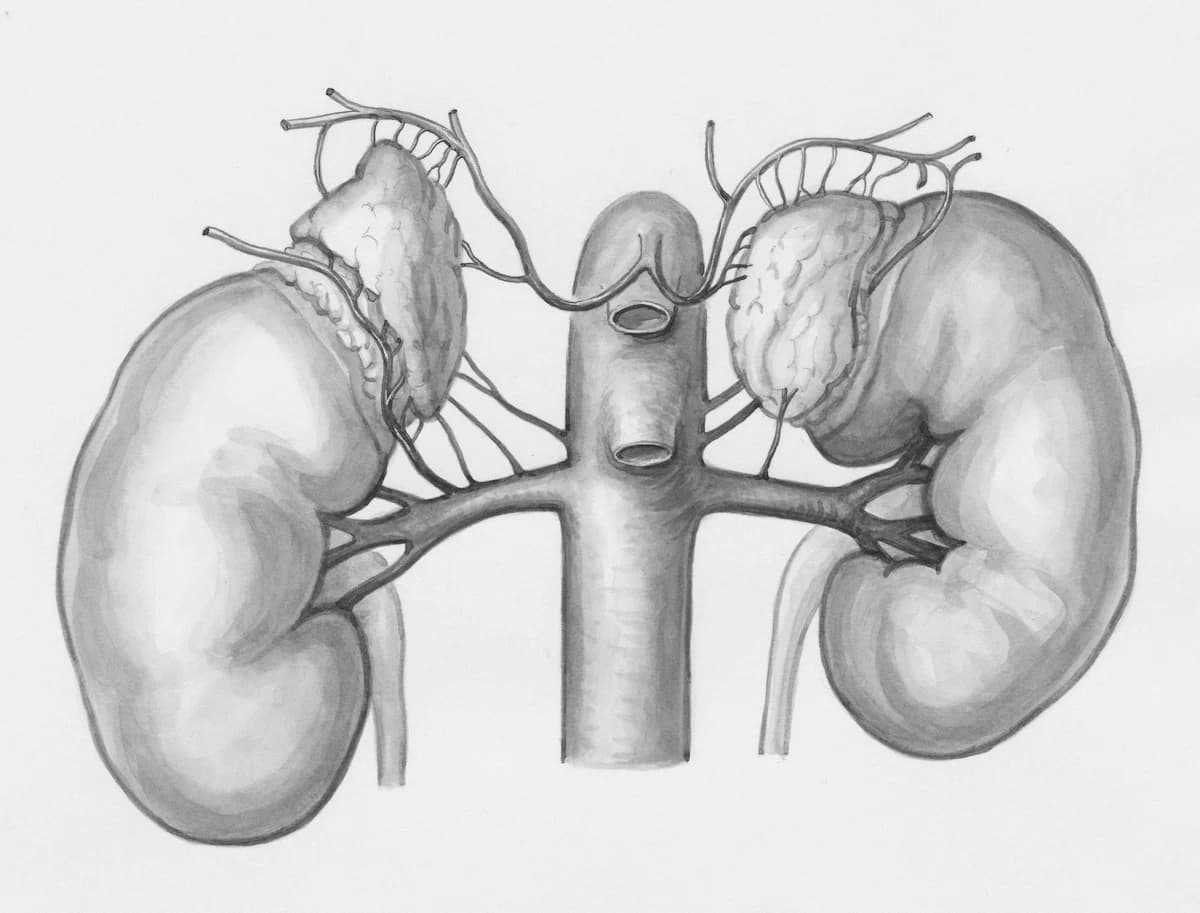
Kidney and ureter conditions
Specialized diagnosis and management of kidney and ureter conditions
The kidneys and ureters are vital parts of the urinary system, responsible for the normal functioning of the kidneys and the drainage of urine. Their conditions can be inflammatory, benign, or malignant and require timely diagnosis and personalized therapeutic management.
Kidney Cancer
Kidney cancer is one of the most common malignancies of the urinary system. In the early stages, it often does not cause symptoms, making early diagnosis particularly important.
Symptoms
The condition may present with hematuria, pain in the back or sides, a palpable mass in the abdomen, or unexplained weight loss. However, in many cases, it is detected incidentally during imaging studies.
Diagnosis
Diagnosis is mainly based on imaging tests such as ultrasound, CT, or MRI scans, while a complete preoperative evaluation determines the stage and extent of the disease.
Treatment
Treatment depends on the size and stage of the tumor and mainly includes surgical management, laparoscopic techniques, or, in selected cases, systemic oncological therapies.
The appropriate treatment is always determined after a personalized urological assessment and a complete diagnostic evaluation.
Kidney Cysts
Kidney cysts are fluid-filled sacs that develop in the kidney tissue. Most are benign and do not cause problems, but some require monitoring or treatment.
Symptoms
They usually do not cause symptoms. When they grow in size, pain in the kidney area, hematuria, or symptoms related to pressure on neighboring organs may occur.
Diagnosis
Cysts are diagnosed with ultrasound and, when necessary, supplemented with CT or MRI scans to assess their characteristics and the likelihood of malignancy.
Treatment
Simple cysts are usually monitored without treatment. In cases of symptoms or suspicious findings, drainage or surgical management may be required.
The appropriate treatment is always determined after a personalized urological assessment and a complete diagnostic evaluation.
Cancer of the renal pelvis and ureter
Cancer of the renal pelvis and ureter is a relatively rare malignancy of the upper urinary tract and requires specialized diagnostic and therapeutic management.
Symptoms
The most common symptom is painless hematuria. In some cases, pain in the kidney area, episodes of colic, or symptoms from ureteral obstruction may occur.
Diagnosis
Diagnosis is performed with CT urography, ureteroscopy, urine cytology, and biopsy when deemed necessary to confirm the diagnosis.
Treatment
Therapeutic management depends on the stage of the disease and includes endoscopic procedures or surgical removal of the affected area, with individualized planning for each patient.
The appropriate treatment is always determined after a personalized urological assessment and a complete diagnostic evaluation.
Pyelonephritis
Pyelonephritis is a serious bacterial infection of the kidney and renal pelvis, which requires prompt diagnosis and treatment to prevent complications.
Symptoms
It usually presents with high fever, chills, severe pain in the back or sides, frequent urination, burning during urination, and general malaise.
Diagnosis
Diagnosis is based on medical history, clinical examination, urinalysis and urine culture, as well as blood tests or imaging studies when complications are suspected.
Treatment
Treatment includes appropriate antibiotic therapy, adequate hydration, and close monitoring. In severe cases or when there is urinary obstruction, hospitalization or interventional management may be required.
The appropriate treatment is always determined after a personalized urological assessment and a complete diagnostic evaluation.
Contact
Contact us for information or to schedule an appointment
We are available to answer your questions and guide you promptly in scheduling your visit.